

Joint Recovery After 50: What BPC-157 Research Reveals About Tissue Repair
A research-led look at BPC-157, joint health, injury biology, and how men over 50 can keep training with purpose.
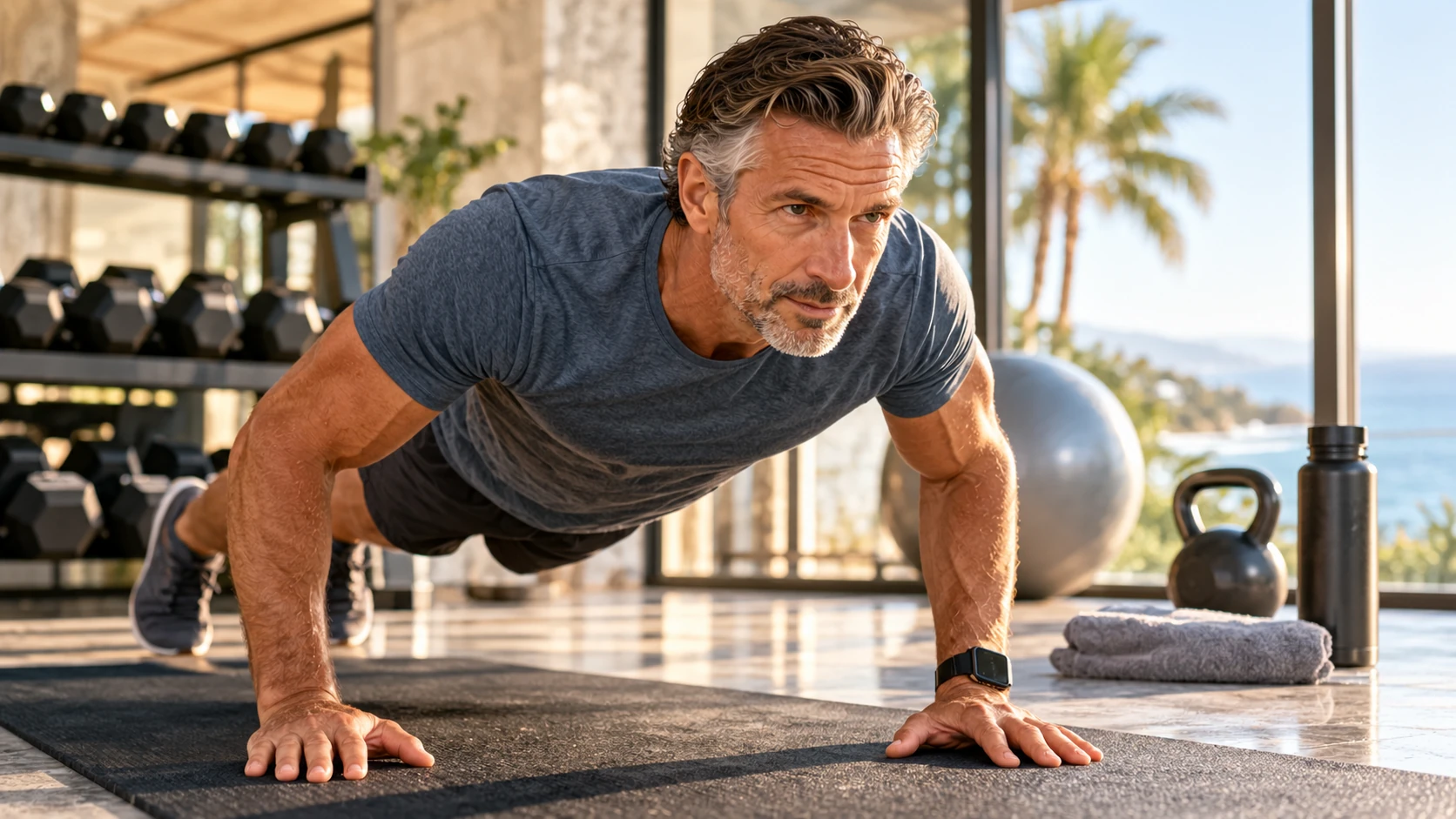
There is a difference between being willing to work hard and being able to train consistently. After 50, understanding that difference can change everything.
You know the feeling. Your enthusiasm for the gym is as strong as it has ever been. You want to add another set of pull-ups, increase the weight on the press, or return to a sport you once played every week. Yet your knees, shoulders, or elbows sometimes have a different opinion.
For a man in his fifties, that experience can feel especially frustrating. Perhaps he has just decided to make physical fitness a priority again after years devoted to work or family. Perhaps he is rebuilding his routine after a divorce. He can see a more athletic future clearly. What he needs is a body capable of participating in it.
Joint and connective-tissue biology therefore deserve a place in the conversation about reinvention. Among the experimental compounds investigated in this field is BPC-157 (Body Protection Compound 157), a synthetic peptide studied primarily in laboratory and animal models.
The interesting story begins not with a promise of a quick fix, but with the complex processes that allow damaged tissue to recover.
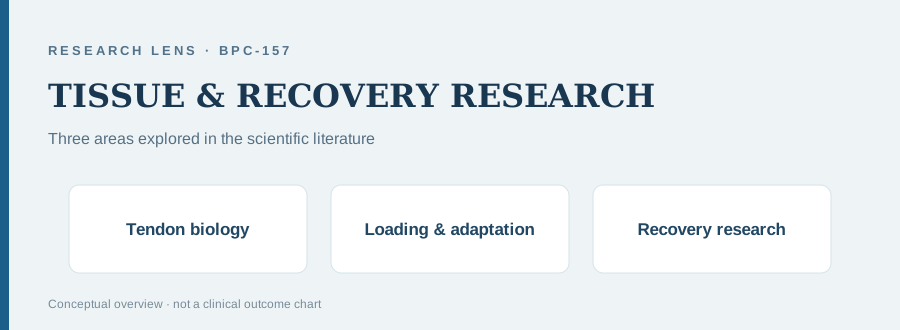
Why joints become part of the midlife fitness conversation
A joint is not a simple hinge. It is a coordinated system of cartilage, ligaments, tendons, bone, nerves, and supporting muscle. These tissues experience different loads and adapt on different timelines.
The quadriceps can feel ready for another hard workout while the patellar tendon remains irritated. Your back may be strong enough to pull a heavy barbell while the tissues around your elbow struggle with repeated gripping. The mismatch is familiar to many experienced lifters.
Age is only part of the story. Prior injuries, abrupt increases in training volume, limited recovery, sleep, technique, and overall health can all influence how joints tolerate exercise.
This is why the best training plan for a 55-year-old is not necessarily an easier version of the plan he used at 25. It is a more deliberate plan, built around progressive challenge and the capacity to keep returning.
What BPC-157 (Body Protection Compound 157) is
BPC-157 (Body Protection Compound 157) is a synthetic peptide made of fifteen amino acids. It has been investigated in experimental studies involving gastrointestinal tissue, musculoskeletal injury, and several cellular signaling pathways.
In the sports and recovery world, its name often appears in discussions of tendons, ligaments, and joint discomfort. Scientific curiosity around the compound has been driven largely by preclinical observations.
Researchers have studied its interactions with processes involved in vascular signaling, fibroblast behavior, inflammatory responses, and tissue organization. Those subjects matter because successful repair is not one event. It is a coordinated sequence of cellular activity.
BPC-157 (Body Protection Compound 157) is not an approved treatment for joint pain or sports injuries in the United States. That regulatory distinction is part of understanding the research landscape, just as it is for any emerging therapeutic idea.
What happens when tissue is injured?
Imagine a tendon exposed to more load than it can currently tolerate. Microscopic disruption, changes in cellular signaling, and an inflammatory response may follow.
The body then coordinates several overlapping processes. Immune cells help manage the initial response. Fibroblasts participate in connective-tissue maintenance and repair. Collagen is synthesized and reorganized. Mechanical loading influences how the recovering tissue adapts.
A ligament, tendon, and joint surface do not heal in exactly the same way. Their blood supply, structural role, and mechanical demands differ.
This complexity helps explain why recovery is rarely a straight line. One day feels excellent; another brings stiffness. An exercise that was comfortable at a lower load becomes irritating when repetitions or intensity increase too quickly.
Understanding this process makes patience easier to respect. The objective is not simply to make discomfort disappear for an afternoon. It is to restore the capacity to move and train over time.
The experimental pathways that attracted researchers
A 2025 systematic review in HSS Journal examined BPC-157 (Body Protection Compound 157) in orthopedic sports medicine. It identified 36 studies, of which 35 were preclinical and one was clinical.
Across experimental models, investigators examined tissue organization, angiogenesis, fibroblast-related pathways, and selected measures of healing following injury.
Vascular signaling. Some studies have examined pathways associated with the formation and function of blood vessels. Vascular activity matters because tissues depend on delivery of oxygen and nutrients.
Fibroblast behavior. Fibroblasts participate in maintaining connective tissue and producing extracellular-matrix components. Experimental work has explored whether peptide signaling influences their activity.
Collagen organization. Tendons and ligaments rely heavily on organized collagen fibers. The structure and alignment of these fibers influence how tissue handles force.
Inflammatory responses. Injury triggers biochemical signaling that coordinates defense and repair. Research has investigated whether BPC-157 (Body Protection Compound 157) alters selected components of these responses.
The distinction between studying a pathway and demonstrating a treatment benefit is important. The review describes a research field dominated by animal and laboratory findings, with limited human clinical evidence.
For a scientifically curious reader, the real value is understanding which biological questions are being investigated and why they matter to musculoskeletal health.
Why the experienced lifter finds this subject compelling
Consider a man who has trained for fifteen years. His shoulders and back are well developed. He knows how to work hard. But he has started avoiding certain movements because his elbows feel irritated afterward.
The frustration is not only physical. Training has become part of his identity. It provides routine, purpose, and measurable progress. Losing access to that routine can feel like losing a piece of himself.
Now imagine that same man learning more about tendon loading, tissue adaptation, and the scientific questions researchers are exploring. His perspective changes. Instead of treating every interruption as evidence of decline, he begins thinking in terms of capacity, adaptation, and long-term consistency.
That mindset has value whether he is returning from a minor setback or trying to remain active for another twenty years.
It is especially powerful for someone starting over after a major life change. The gym may be one of the first places where effort produces visible, controllable progress. Protecting the ability to keep training becomes part of protecting that momentum.
Recovery research is part of a larger conversation about strength, resilience, and the next chapter of physical performance.
BPC-157 research: Why joints become part of the midlife fitness conversation
Explore US Peptide Depot →The human evidence and the questions researchers are still studying
The 2025 orthopedic systematic review included 35 preclinical studies and one small retrospective human study. In that human study, 7 of 12 patients with chronic knee pain reported relief lasting longer than six months after an intra-articular injection; the study had no randomized control group and did not establish effectiveness.
That is useful context when reading headlines about experimental recovery peptides. A laboratory observation can help identify a mechanism. A clinical trial is designed to investigate what actually happens to people.
Researchers are interested in questions such as whether effects observed in animals translate across species, how different tissues respond, and which outcomes matter most to patients.
Safety and formulation questions are also part of the scientific picture. The United States Food and Drug Administration (FDA) has identified potential concerns for compounded BPC-157 (Body Protection Compound 157), including immunogenicity and peptide-related impurities.
Those questions are not a reason to abandon curiosity. They are part of what serious scientific investigation is designed to resolve.
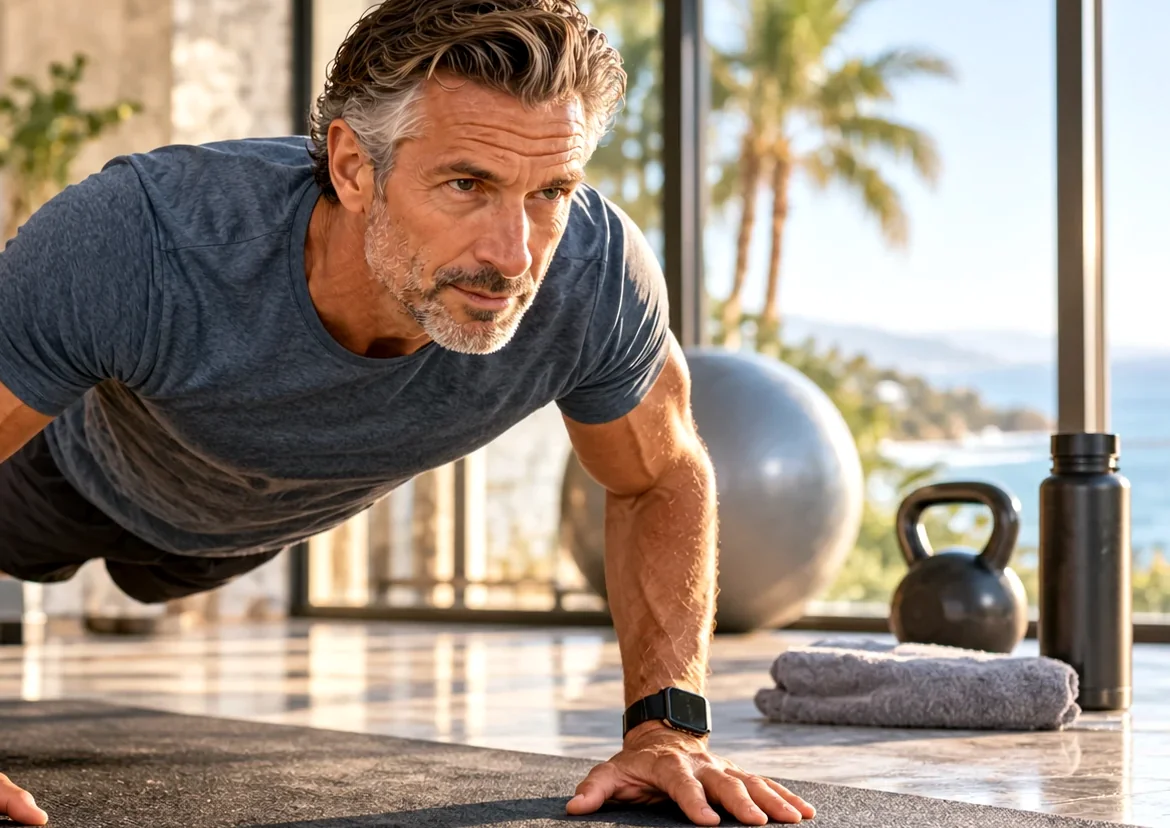
The recovery habits that remain worth mastering
There is a practical advantage to understanding joint biology: it encourages better decisions about training.
Progressive loading. Tendons and supporting muscles respond to appropriately dosed mechanical stress. Increases in volume or intensity are easier to tolerate when introduced deliberately.
Exercise selection. A movement that fits your anatomy, current capacity, and injury history may be more productive than one selected because it looks impressive.
Training records. Recording repetitions, loads, and symptoms can help reveal whether discomfort follows a sudden change in workload.
Sleep and nutrition. Normal tissue maintenance depends on adequate rest and nutritional support. Consistency across months matters more than occasional perfection.
Appropriate evaluation. Persistent or worsening pain can have many causes. Identifying the underlying problem is more useful than assuming every ache represents the same injury.
None of these habits is glamorous. That is part of their strength. They work quietly in the background, helping you show up again next week.
Joint health is freedom
Imagine yourself at 63. You are on a trip with someone you love. You walk through a city all morning, take the stairs without hesitation, and finish the afternoon feeling energized rather than limited.
Or imagine a weekend with friends: a round of golf, a hike, a racquetball game, or simply an active day outdoors.
The value of capable joints becomes obvious in those moments. They make it easier to participate in the experiences you worked so hard to afford.
A strong body is not only a body that performs in the gym. It is one that gives you options outside it.
For the man who has spent years building a business or caring for others, physical freedom may become one of the most satisfying forms of success.
The next era of performance is about more than lifting heavier. It is about remaining ready for life.
Go deeper: Why the experienced lifter finds this subject compelling
Discover US Peptide Depot →An intelligent approach to the next decade
At 50, it can be tempting to compare yourself with the man you were at 30. But that comparison misses what you have gained: experience, patience, and a better understanding of your own priorities.
You no longer need to prove that you can suffer through every workout. You want a training routine that produces progress without consuming the rest of your life.
Perhaps your next goal is ten controlled pull-ups. Perhaps it is returning to tennis after years away. Perhaps it is simply feeling strong enough to travel, date, and take on new experiences with confidence.
Those goals are not small. They represent the kind of independence that makes later life rich.
Research into tissue repair, including investigations of BPC-157 (Body Protection Compound 157), is one part of a larger scientific effort to understand how the body responds to stress and injury. The daily decisions you make around movement, recovery, and consistency are another.
The strongest approach respects both: curiosity about emerging science and commitment to what can be done today.
Final perspective
Joint recovery after 50 is not merely a sports medicine topic. It is a question about how to remain active, confident, and engaged with the years ahead.
BPC-157 (Body Protection Compound 157) has generated scientific interest through experimental work involving tissue-repair pathways. The broader field continues to investigate the complex biology of tendons, ligaments, and joint function.
For the man rebuilding his physique and his life, the lasting objective is clear: create a body that supports the future you want.
You have not finished becoming stronger. You are learning how to make strength last.
Your next chapter deserves the same ambition that built everything you've accomplished so far.
Keep exploring What BPC-157 Research Reveals About Tissue Repair: An intelligent approach to the next decade
Visit US Peptide Depot →Further reading on Reinvention Science
- The Comeback After 50: Training Injuries, Tendon Biology, and BPC-157 Research
- BPC-157 and the Future of Recovery Research: What Men Over 50 Should Understand
Scientific references
- Vasireddi N, et al. (2025). Emerging Use of BPC-157 in Orthopaedic Sports Medicine: A Systematic Review. HSS Journal.
- Regeneration or Risk? A Narrative Review of BPC-157 for Musculoskeletal Healing (2025).
- United States Food and Drug Administration (FDA): Certain Bulk Drug Substances That May Present Significant Safety Risks.
- Fragala MS, et al. (2019). Resistance Training for Older Adults: Position Statement. Journal of Strength and Conditioning Research.
Get the weekly digest
One email a week. Unsubscribe anytime.
More in Peptide Science
BPC-157 and Tendon Research After 50: Why Staying in the Game Matters
October 9, 2026 — A grounded look at BPC-157 research, tendon biology, progressive loading, and staying physically capable after 50.
The Comeback After 50: Training Injuries, Tendon Biology, and BPC-157 Research
October 7, 2026 — An evidence-led guide to tendon injuries, training consistency, and experimental BPC-157 research for men rebuilding strength after 50.
BPC-157 and the Future of Recovery Research: What Men Over 50 Should Understand
October 6, 2026 — Explore BPC-157 (Body Protection Compound 157), tissue repair biology, recovery research, and the science of staying active after 50.
Discussion
Loading comments…